11.2/8.4
11.2/8.4 | 10.1/7.8 |
Finitura superficiale: | La finitura superficiale si distingue dalla struttura strutturale del substrato di acciaio e dal fatto che il rivestimento sia rifatto. La banda stagnata può essere trasformata in quattro diversi effetti come superficie lucida, superficie pietra, superficie argento e superficie opaca, tra i quali i più utilizzati sono la superficie lucida e la superficie pietra. |
Segni | Stato della superficie |
Caratteristiche | B |
Luminoso e ruvido | Superficie smaltata ottenuta dopo trattamento di fusione dell'elettrone |
striscia di materia prima liscia con alcune figure di pietra orientata. | R |
Pietra grezza | Superficie smaltata ottenuta dopo trattamento di fusione dell'elettrone |
striscia di materia prima raffigurante una certa figura di pietra orientata. | S |
Argento grezzo | Superficie smaltata ottenuta dopo trattamento di fusione dell'elettrone |
striscia di materia prima con superficie ruvida e opaca. | Applicazione della banda stagnata elettrolitica: |
L'applicazione della banda stagnata elettrolitica è molto ampia, dai materiali di imballaggio per lamiere metalliche rivestite, alimenti e bevande, a lattine per grasso, contenitori per prodotti chimici, imballaggi in lamiera stagnata e altre lattine varie. I vantaggi e le caratteristiche della banda stagnata garantiscono una buona protezione delle proprietà fisiche e chimiche del contenuto. | Per barattoli di grasso: |
La luce può innescare e accelerare la reazione di ossidazione di oli e grassi, ridurre il valore nutrizionale e produrre sostanze nocive. Più grave è la distruzione delle vitamine oleose, in particolare della vitamina D e della vitamina A. L'ossigeno presente nell'aria favorisce l'ossidazione dei grassi alimentari, riduce la biomassa delle proteine e distrugge le vitamine. L'opacità della tinta e l'effetto di sigillatura dell'aria sono le scelte migliori per il confezionamento di alimenti grassi. | Garanzia di qualità: |
1) Il materiale giusto, la prima volta: la qualità è il segno distintivo della nostra reputazione. | 2) Controllo di qualità rigoroso, assicura che qualsiasi prodotto sia soddisfatto della tua applicazione. |
3) Controllo qualità: | Ispezione dei materiali → Disegni e campioni → Ispezione →Correzione di macchine e attrezzature → Produzione di prova → Test di produzione finita →Il terzo reparto di ispezione |
Delivery time | 15-35 days after confirmed order |
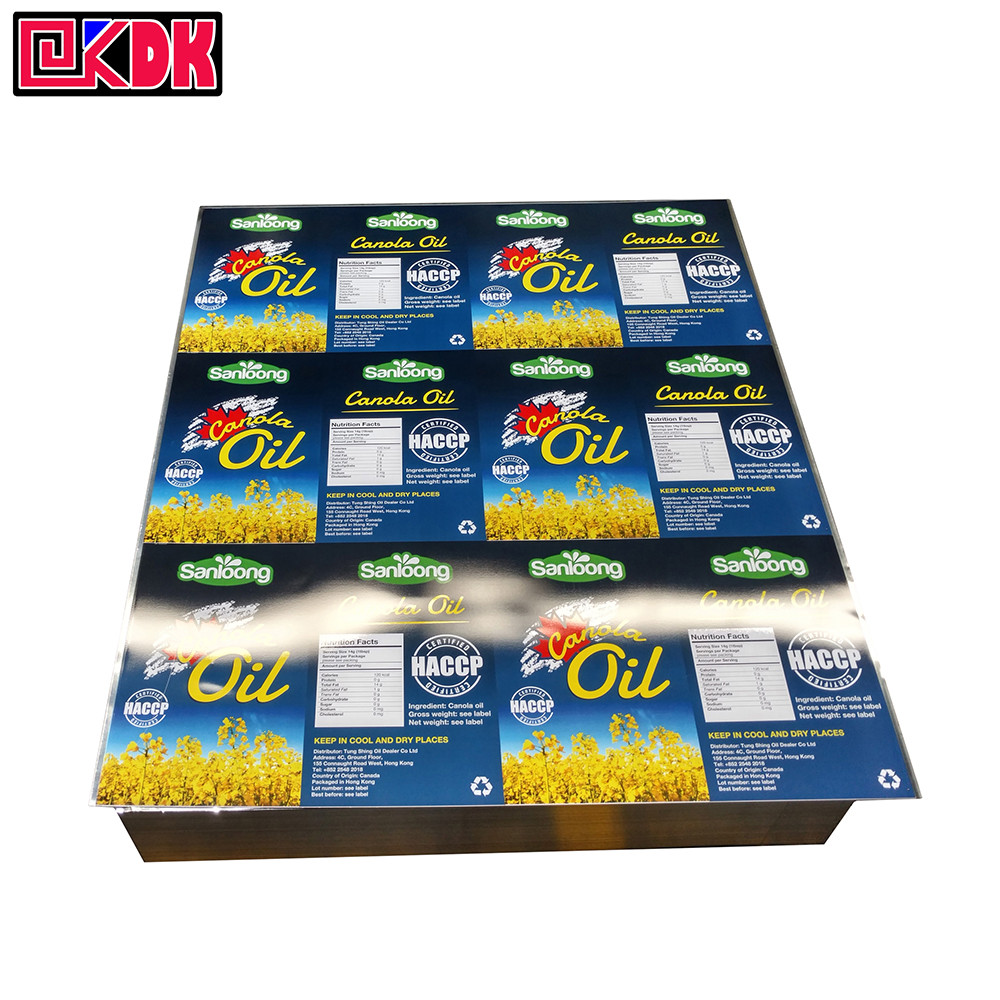
Printed Tinplate
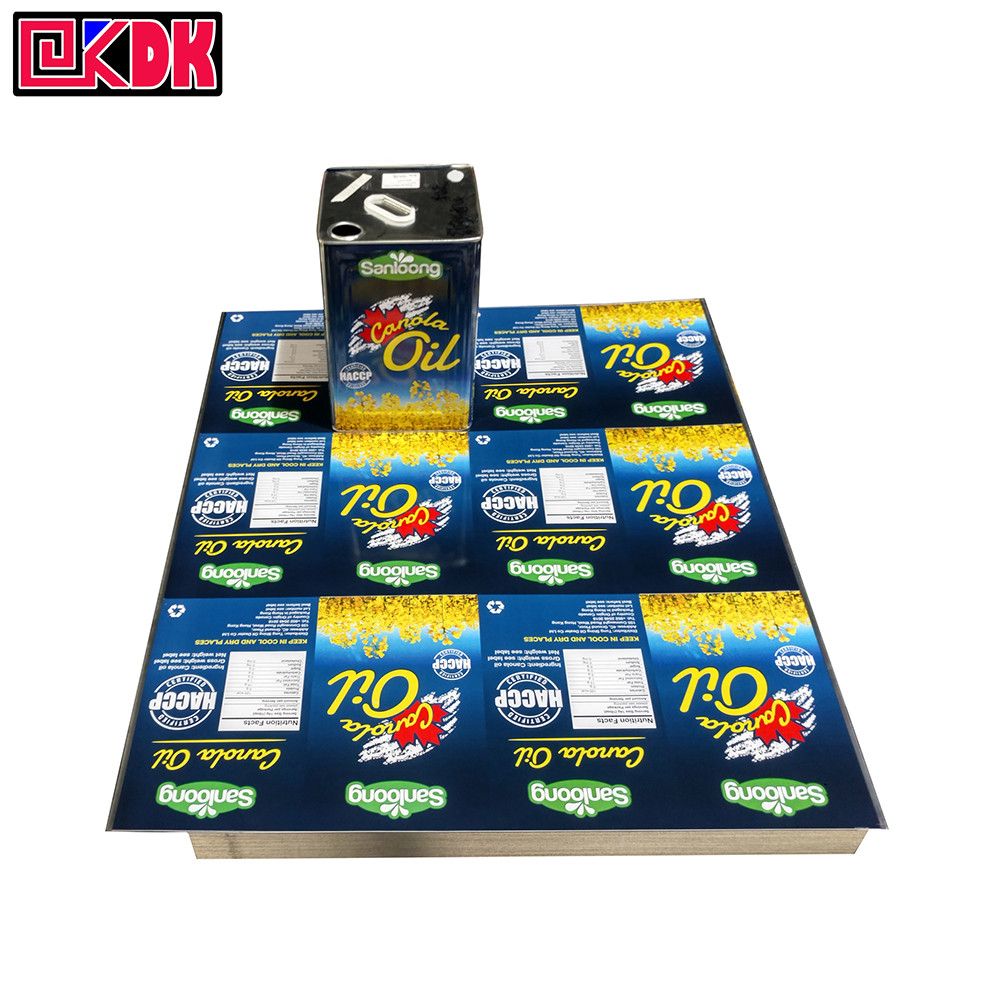
tinplate For Oil can
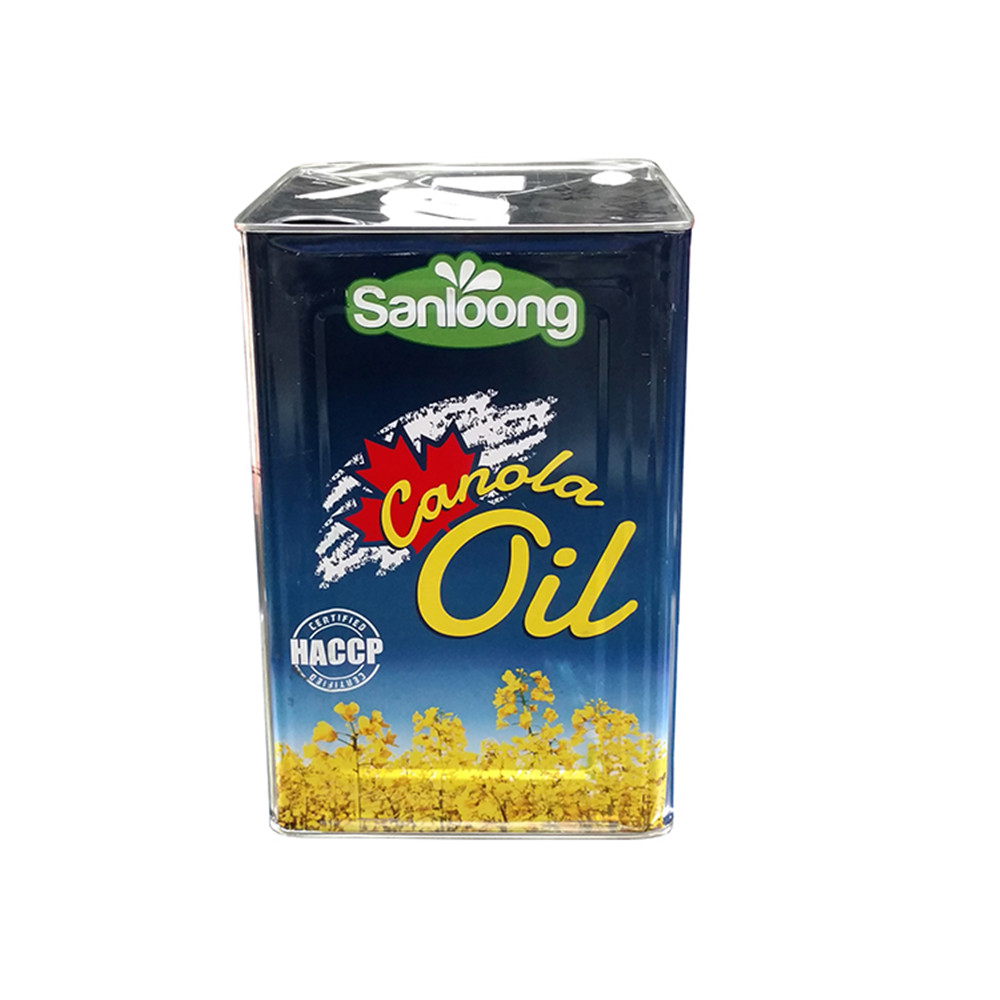
Application
Tin coating on Electrolytic Tinplate:
The amount of tin plating is an indicator of the thickness of the tin layer. It is expressed in terms of the amount of tin plating per unit area (g / m2). Generally, the larger the amount of tin plating, the thicker the tin layer, and the better the corrosion resistance.
Tinplate Status | Coating Status | Former Coat | Coating W. Code | Normal C-W | Min. Ave. C-W | Remarks |
EPT | Equally Coating (E) | 10# | 1.1/1.1 | 1.1/1.1 | 0.9/0.9 | All specifications |
20# | 2.2/2.2 | 2.2/2.2 | 1.8/1.8 | |||
25# | 2.8/2.8 | 2.8/2.8 | 2.5/2.5 | |||
50# | 5.6/5.6 | 5.6/5.6 | 5.2/5.2 | |||
75# | 8.4/8.4 | 8.4/8.4 | 7.8/7.8 | |||
100# | 11.2/11.2 | 11.2/11.2 | 10.1/10.1 | |||
Classified Coat (D/A) | 25#/10# | 2.8/1.1 | 2.8/1.1 | 2.5/0.9 | ||
50#/10# | 5.6/1.1 | 5.6/1.1 | 5.2/0.9 | |||
50#/25# | 5.6/2.8 | 5.6/2.8 | 5.2/2.5 | |||
75#/25# | 8.4/2.8 | 8.4/2.8 | 7.8/2.5 | |||
75#/50# | 8.4/5.6 | 8.4/5.6 | 7.8/5.2 | |||
100#/25# | 11.2/2.8 | 11.2/2.8 | 10.1/2.5 | |||
100#/50# | 11.2/5.6 | 11.2/5.6 | 10.1/5.2 | |||
100#/75# | 11.2/8.4 | 11.2/8.4 | 10.1/7.8 |
Surface finishing:
Surface finishing is distinguished by the structural texture of the steel substrate and whether the coating is reflowed. Tinplate can be made into four different effects such as shiny surface, stone surface, silver surface, and matte surface, among which the most widely used are shiny surface and stone surface.
Marks | Suface state | Characteristics |
B | Bright rough | Glazed surface obtained after melting treatment of electroninned smooth raw material strip featuring certain oriented rubstone figure. |
R | Stone rough | Glazed surface obtained after melting treatment of electroninned raw material strip featuring certain oriented rubstone figure. |
S | Silver rough | Glazed surface obtained after melting treatment of electroninned raw material strip with rough matt surface. |
Application of Electrolytic Tinplate:
The application of Electrolytic Tinplate is very wide, from packaging materials for metal sheet coated, food and beverages to grease cans, chemical cans, tin plate packaging and other miscellaneous cans. The advantages and characteristics of tinplate provide good protection of the physical and chemical properties of the contents.
For Grease cans:
Light can trigger and accelerate the oxidation reaction of oils and fats, reduce nutritional value, and may produce harmful substances. More serious is the destruction of oily vitamins, especially vitamin D and vitamin A. The oxygen in the air promotes the oxidation of food fats, reduces the biomass of proteins, and destroys vitamins. The tint opacity and the effect of sealing the air are the best choices for packaging fat foods.
Quality assurance:
1) The Right Material, First Time: Quality is the hallmark of our reputation.
2) Strict quality control,ensure any product satisfied with yours application .
3) Quality Control:
Material Inspection → Drawing and Samples` → Inspection →Correction of Machine and Equipment → Trial production → Finished Production Testing →The Third inspect department